
King of Wrath
by Ana Huang
About This Book
This autobiography, edited by Clayborne Carson, presents Martin Luther King Jr.'s life story through his own words, speeches, and writings. It traces his journey from his early years in Atlanta, through his leadership in the civil rights movement, to his vision of justice and equality. The book offers a deeply personal and historical account of King's philosophy of nonviolence and his enduring impact on American society.
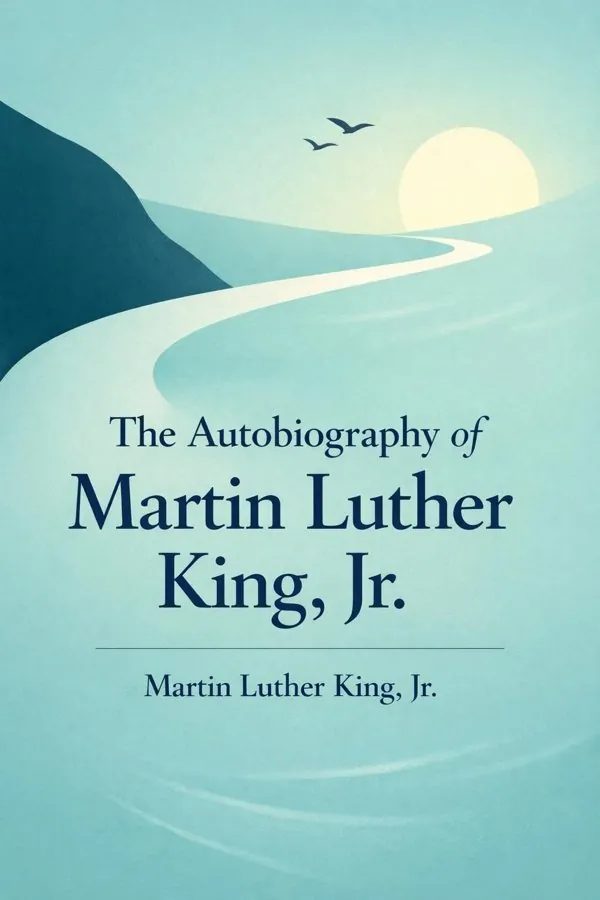
The Autobiography of Martin Luther King, Jr.
This autobiography, edited by Clayborne Carson, presents Martin Luther King Jr.'s life story through his own words, speeches, and writings. It traces his journey from his early years in Atlanta, through his leadership in the civil rights movement, to his vision of justice and equality. The book offers a deeply personal and historical account of King's philosophy of nonviolence and his enduring impact on American society.
Want the full summary?
Get instant access to this book summary and 500K+ more with Fizz Moment.
Get Free SummaryAvailable on App Store • Free to download
Key Chapters
Early Life and Family Background in Atlanta, Georgia
I was born in Atlanta, Georgia, in 1929, into a world sharply divided by color and circumstance, yet within my home I found a refuge infused with faith and discipline. My father, Martin Luther King Sr., served as pastor of Ebenezer Baptist Church, and from him I learned that the pulpit was not merely a place of worship, but a platform for truth and justice. My mother, Alberta Williams King, taught me tenderness and respect, reminding me that our Christian faith must always be expressed through love. Those early years were full of discovery. The rhythms of church life, the fervor of Sunday meetings, and my father's booming sermons often revolved around the idea that dignity was not bestowed by society—it was inherent because we were children of God.
But outside our sanctuary, I saw the brokenness of the world. Segregation showed itself in countless humiliations: separate schools, buses, restaurants—all designed to remind Black children that they were considered lesser. My parents never allowed bitterness to take root; they taught resistance through self-respect. I still remember the moment my father refused to move to the back of the bus despite the driver’s demand. That quiet defiance spoke louder than any speech. It was in those formative years that the seed of protest took hold within me—not in anger, but in conviction that injustice needed to be confronted with love and courage.
Education and Theological Formation
When I entered Morehouse College, the world began to open in ways I had not imagined. Under the guidance of mentors like Benjamin Mays, I encountered the moral urgency of using intellect in the service of humanity. Mays challenged us to see religion not as escape, but as engagement—the social gospel that demanded faith in action. After Morehouse came Crozer Theological Seminary in Pennsylvania, where I studied the great thinkers of the ages: Plato, Aristotle, Niebuhr, and Gandhi. It was here that my philosophy of nonviolence began to take coherent shape. Gandhi’s ideas particularly struck me as a revolutionary force capable of confronting oppression without perpetuating hate.
At Boston University, I pursued the link between spirit and reason, between belief and activism. I realized that theology could never remain in books or pulpits—it had to walk in the streets. In those years I met Coretta Scott, whose grace and unwavering conviction complemented mine. Together, we envisioned a shared calling that would blend art, intelligence, and faith into a life devoted to justice. These years refined me intellectually and spiritually. Education was not an escape from struggle; it was preparation for the moral leadership history would demand.
Marriage, Ministry, and the Montgomery Bus Boycott
Explore this chapter in the FizzRead app.
Leadership of the Southern Christian Leadership Conference
Explore this chapter in the FizzRead app.
The Birmingham Campaign and Letter from Birmingham Jail
Explore this chapter in the FizzRead app.
The March on Washington and Beyond
Explore this chapter in the FizzRead app.
Economic Justice and Opposition to the Vietnam War
Explore this chapter in the FizzRead app.
Final Reflections and Legacy
Explore this chapter in the FizzRead app.
All Chapters in King of Wrath
About the Author
Ana Huang
Martin Luther King Jr. (1929–1968) was an American Baptist minister and civil rights leader who became the most visible spokesperson for nonviolent activism in the U.S. civil rights movement. He led pivotal campaigns against racial segregation and inequality, earning the Nobel Peace Prize in 1964. His legacy continues to inspire movements for justice and human rights worldwide.
Frequently Asked Questions about King of Wrath
This autobiography, edited by Clayborne Carson, presents Martin Luther King Jr.'s life story through his own words, speeches, and writings. It traces his journey from his early years in Atlanta, through his leadership in the civil rights movement, to his vision of justice and equality. The book offers a deeply personal and historical account of King's philosophy of nonviolence and his enduring impact on American society.
You Might Also Like




Ready to read King of Wrath?
Get the full summary and 500K+ more books with Fizz Moment.